Catandra Script: A Modern Typeface Review
I was staring at a blank brand board for a local artisanal bakery last Tuesday, trying to find the right balance between rustic charm and modern elegance. The client wanted something that felt handmade but not messy, sophisticated but approachable. That is when I pulled Catandra Script from my library of Promo Fonts. It is rare to find a typeface that instantly bridges the gap between casual handwriting and professional polish, but Catandra managed to do exactly that. As an experienced brand designer, I have tested hundreds of scripts, and this one stands out because it feels alive without sacrificing legibility.
Using Catandra Script for Logo Design and Brand Identity
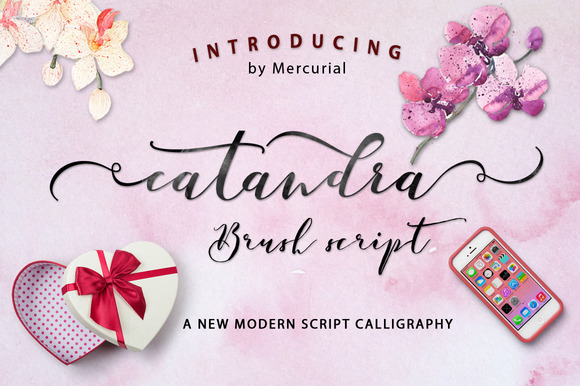
When working with Catandra Script in logo design, the first thing you notice is its fluidity. It does not feel rigid or overly constructed. Instead, it mimics the natural rhythm of a hand holding a brush pen. For the bakery project, I used it as the primary logotype. The letters connect smoothly, creating a cohesive unit that works well even when scaled down for social media avatars or stamped onto packaging. This makes it an excellent choice for small business owners who need a versatile identity system.
The font’s personality is charming yet confident. It avoids the excessive swashes that often plague script fonts, which can make logos look cluttered. In my testing, I found that Catandra holds its own against bold sans serif pairings, providing a nice contrast that elevates the overall visual hierarchy. If you are building a brand identity for a boutique, a creative studio, or a lifestyle product, this font adds that essential human touch that digital-heavy designs often lack. It signals to the audience that there is care and craftsmanship behind the brand.
Catandra Script for Wedding Invitations and Elegant Headings
Beyond commercial branding, Catandra Script shines in the world of wedding invitations and formal stationery. The "fresh touch" mentioned in its description is evident here. It does not feel like a relic from the past; it feels contemporary. When I laid out a sample invitation suite, the font performed beautifully as a heading element. It pairs exceptionally well with clean, minimalist serif fonts for the body text, creating a classic yet modern aesthetic that couples love.
The readability at larger sizes is impressive. Unlike some decorative fonts that become illegible when printed on textured paper, Catandra maintains its character. The strokes are thick enough to hold ink well but delicate enough to feel elegant. For designers creating letterheads or signage for events, this reliability is crucial. You do not want your beautiful design to fail because the font disappears into the background. Catandra ensures that your headings command attention without shouting.
Applying Catandra Script to Packaging Labels and T-Shirts
One of the most practical applications I tested was on product packaging. Specifically, I mocked up labels for a line of organic skincare products. Catandra Script worked perfectly for the product names, sitting comfortably above the regulatory text which was set in a neutral sans serif. The font’s handwritten quality suggests authenticity and natural ingredients, which aligns perfectly with the values of handmade sellers and online shop owners.
I also experimented with placing the font on t-shirt designs. This is where many script fonts fail—they look too formal or too childish. Catandra strikes a middle ground. It looks great on apparel because it feels personal, like a signature or a note from a friend. For entrepreneurs selling merchandise, this emotional connection can drive engagement. Whether it is for a café menu, a candle label, or a tote bag, the font adapts to the medium without losing its core identity. It is a true workhorse in the realm of commercial design assets.
Pairing Catandra Script with Modern Typography Systems
No font exists in a vacuum, and part of reviewing Catandra Script involves understanding how it plays with others. Because it is a handwritten script with a modern edge, it pairs best with structured typefaces. I found success combining it with geometric sans serifs for a clean, tech-forward look, or with traditional serifs for a more literary, editorial vibe. The key is contrast. Since Catandra has a lot of movement and organic variation, your supporting font should be stable and predictable.
For web design, this pairing strategy is essential. I used Catandra for hero section headlines on a landing page, paired with a highly readable sans serif for the body copy. The result was a website that felt inviting and professional. The script draws the eye, while the sans serif delivers the information. This balance improves user experience and keeps visitors engaged. If you are a content creator or blogger, using Catandra for pull quotes or section headers can break up long blocks of text and add visual interest to your layout.
Limitations and Licensing for Commercial Font Use
While Catandra Script is versatile, it is not a solution for every design problem. It is primarily a display font. I would not recommend using it for long paragraphs of body text or small print on business cards where legibility is paramount. At very small sizes, the intricate connections between letters can blur, especially in low-resolution digital formats. Always test your designs at the actual size they will be viewed or printed. If you are designing a corporate annual report or a legal document, stick to more formal typefaces.
Before integrating this font into client work, always review the licensing terms. As with any premium font, understanding the scope of use is critical. Whether you are using it for a single logo, a full brand identity, or print-on-demand products, ensure your license covers commercial usage. Most Promo Fonts offer clear licensing structures, but it is your responsibility as a designer to verify this. Protecting your clients and yourself from copyright issues is just as important as choosing the right aesthetic.
In conclusion, Catandra Script is a valuable addition to any designer’s toolkit. It offers a fresh, charming alternative to overused scripts, bringing a handmade feel to modern projects. From logos to labels, it performs with consistency and style. If you are looking for a font that adds personality without compromising professionalism, this is a strong candidate worth testing in your next project.