Ghost Balloon 3d Font for Web Design
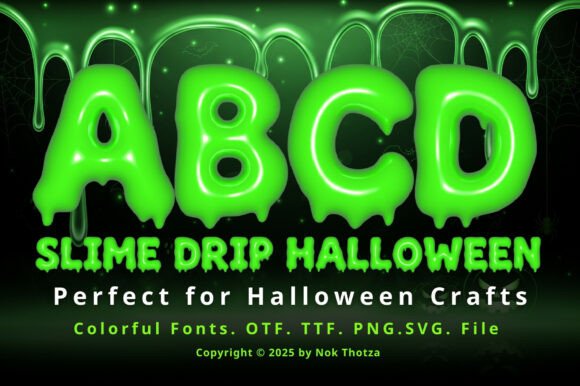
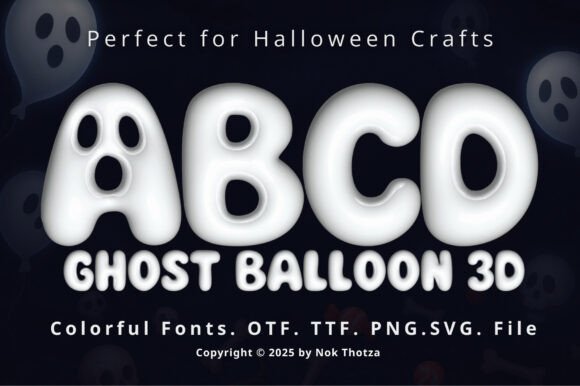
Ghost Balloon 3d is a distinctive typeface that bridges the gap between playful aesthetics and digital functionality, offering web designers a unique tool for creating memorable online experiences. As a specialized entry in the world of Color Fonts, this display font brings a glossy, three-dimensional quality to screen-based layouts that standard flat typography simply cannot achieve. When integrating Fonts into high-conversion landing pages or brand-focused websites, the visual weight and personality of your typography dictate user engagement. This article explores how this specific spooky yet cute typeface can elevate digital products, from Halloween-themed e-commerce stores to creative portfolio headers.
Using Ghost Balloon 3d for High-Impact Hero Sections
Incorporating Ghost Balloon 3d into your website’s hero section immediately establishes a tone of whimsical professionalism. Because this Color Fonts asset features a glossy 3D style, it performs exceptionally well against clean, minimal backgrounds where the light reflection and depth of the letters can shine without visual competition. For digital product creators, using such expressive Fonts in the primary headline captures attention within the first few seconds of page load. The "floating ghost balloon" shape creates a natural visual hierarchy, drawing the eye directly to the value proposition. However, designers must ensure that the contrast between the glossy texture of the font and the background color remains high to maintain accessibility standards on various devices.
Optimizing Ghost Balloon 3d for Mobile Responsiveness
When deploying Ghost Balloon 3d on mobile interfaces, scalability becomes a critical factor. The intricate details of the glossy 3D style may lose definition on smaller screens if the font size is too reduced. To maintain readability, use this typeface primarily for short, punchy headlines rather than long paragraphs. As one of the more decorative Color Fonts available, it demands space to breathe. Ensure that line height and letter spacing are adjusted appropriately so that the "cute creepy" look does not become cluttered. For body copy, always pair this display font with a highly legible sans serif font to guide the user through the content smoothly after the initial hook.
Ghost Balloon 3d for Seasonal Landing Pages and Campaigns
The description of Ghost Balloon 3d as a playful and spooky typeface makes it an ideal candidate for seasonal marketing campaigns, particularly those centered around Halloween or autumn themes. When designing landing pages for limited-time offers, using thematic Color Fonts can significantly boost conversion rates by creating an immersive brand experience. Unlike static images, web-ready Fonts allow for dynamic text updates without losing the stylistic integrity of the design. Whether you are promoting a haunted house event, a seasonal product drop, or a spooky sale, this font’s unique character adds a layer of production value that suggests a premium, thoughtful brand identity.
Enhancing Brand Tone with Ghost Balloon 3d Accents
Beyond seasonal use, Ghost Balloon 3d can serve as a key element in defining a brand’s personality for businesses that lean into the quirky, alternative, or creative sectors. Integrating this typeface into call-to-action buttons or section dividers can break the monotony of standard web layouts. While most Color Fonts are used sparingly, the distinct silhouette of these floating balloons can act as a graphical element as much as a textual one. Designers should consider using this font for isolated words or short phrases in navigation menus or footer areas to maintain a consistent online identity that feels cohesive and intentionally designed.
Pairing Ghost Balloon 3d with Complementary Web Typography
Successful web design relies heavily on contrast, and Ghost Balloon 3d requires careful pairing to maximize its impact. Since this is a highly decorative display font, it should never be used for extensive body text. Instead, combine it with neutral, geometric sans serif fonts that provide a stable foundation for reading. The glossy nature of these Color Fonts contrasts beautifully with flat, matte typography, creating a modern mixed-media feel on the screen. When selecting supporting Fonts, look for typefaces with similar x-heights but simpler structures to ensure that the visual rhythm of the page remains balanced and that the user’s eye is not overwhelmed by too many complex shapes.
Readability Considerations for Dark and Light Modes
The effectiveness of Ghost Balloon 3d varies depending on the color scheme of your digital product. The glossy 3D style relies on highlights and shadows to create depth, which means it performs best on backgrounds that allow these nuances to pop. On dark backgrounds, ensure that the lighter parts of the balloon effect are bright enough to stand out, while on light backgrounds, the darker contours must remain visible. Testing this across different devices is crucial, as Color Fonts can render differently depending on the browser and operating system. Always provide fallback options in your CSS stack to ensure that if the color font fails to load, the structural integrity of the layout remains intact.
Licensing Ghost Balloon 3d for Commercial Web Projects
Before implementing Ghost Balloon 3d in client projects or commercial online stores, it is essential to review the licensing terms associated with these Color Fonts. Web usage often requires specific webfont licenses that differ from desktop publishing rights. Ensuring you have the correct permissions for domain usage, page views, and app integration protects both the designer and the client from legal issues. Investing in properly licensed Fonts not only supports the type foundry but also guarantees access to updates, technical support, and optimized file formats that improve loading speeds and rendering quality on live websites.
Technical Implementation of Color Fonts in CSS
Implementing Ghost Balloon 3d requires modern CSS techniques to fully leverage its capabilities as a Color Fonts asset. Developers should use the @font-face rule with appropriate format descriptors to ensure compatibility across Chrome, Firefox, Safari, and Edge. Because this font carries more data than traditional vector fonts due to its color and depth information, optimizing file size is key to maintaining fast page load times. Consider using variable font technologies if available, or subset the font to include only the necessary characters for your specific project. This technical diligence ensures that the visual appeal of the font does not come at the cost of user experience performance.