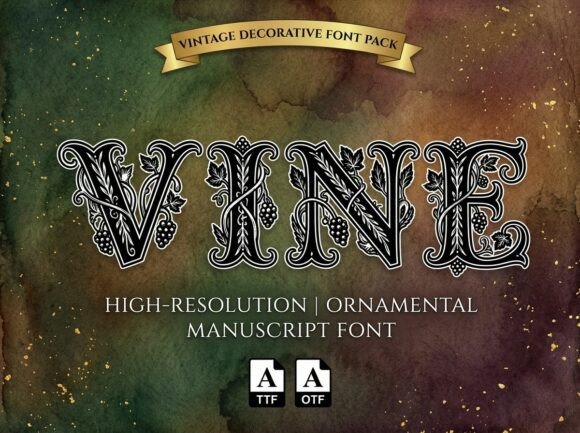
Vine Display Font for Modern Web Design
Vine is a stunning decorative display font that commands attention, making it an essential asset for web designers and UI creators seeking to establish a strong visual hierarchy. As digital landscapes become increasingly saturated with generic sans serif options, incorporating unique Fonts with personality allows brands to differentiate themselves instantly. This typeface is not merely a tool for text; it is a design element that shapes user perception, guiding visitors through landing pages, hero sections, and conversion-focused layouts with artistic flair.
Elevating Hero Sections with Vine Decorative Typography
When designing high-impact hero sections for SaaS platforms or creative portfolios, the choice of typography dictates the immediate emotional response of the user. Vine, as a premier example of Decorative Fonts, offers the visual weight and artistic nuance required to anchor a homepage. Unlike standard body copy fonts, this display typeface is engineered to be the center of attention, ensuring that your primary value proposition is not just read, but felt. For web designers, this means utilizing Vine for short, punchy headlines that define the brand tone before the user even scrolls. The unique artistic elements within each glyph create a rhythm that breaks the monotony of grid-based layouts, encouraging users to engage with the content rather than skim past it.
Enhancing Brand Identity in Digital Product Headers
For digital product creators and online store owners, consistency across touchpoints is vital for building trust. Using Vine in header areas of course sales pages or coaching websites establishes a premium feel that generic Fonts often lack. This Decorative typeface supports a cohesive online identity by translating the brand’s artistic vision into tangible digital assets. Whether applied to a boutique e-commerce banner or a membership site welcome screen, Vine ensures that the visual personality remains strong and recognizable. By reserving this font for key structural elements like H1s and H2s, designers can maintain readability while injecting character, creating a balanced interface that feels both professional and inviting.
Optimizing Visual Hierarchy for Conversion-Focused Layouts
Effective web design relies heavily on guiding the user’s eye toward specific actions, such as clicking a call-to-action button or signing up for a newsletter. Vine serves as a powerful tool in this strategic process, acting as a visual signpost within complex Decorative Fonts ecosystems. When paired with a clean, neutral sans serif for body copy, Vine creates a stark contrast that enhances scannability. This distinction is crucial for landing pages where information density is high, but attention spans are short. By using Vine exclusively for section headings or key benefit statements, designers can create a clear path for the user, reducing cognitive load and increasing the likelihood of conversion. The font’s strong visual personality ensures that critical messages stand out against background images or solid color blocks, maintaining legibility without sacrificing aesthetic appeal.
Strategic Font Pairing for Web Readability
Integrating a display font like Vine requires thoughtful pairing to ensure optimal performance across devices. Since Vine is a Decorative choice among Fonts, it should never be used for long-form text or small interface labels. Instead, pair it with highly readable sans serif or serif fonts for paragraphs and navigation menus. This combination leverages the artistic strength of Vine for impact while relying on functional typefaces for clarity. For mobile responsiveness, consider adjusting the size and line height of Vine to prevent glyph overlap on smaller screens. Testing these pairings in real-world scenarios, such as dark mode interfaces or image overlays, ensures that the font retains its integrity and readability, providing a seamless experience for all users regardless of their device.
Leveraging Vine for Social Media and Digital Ads
Beyond website interfaces, Vine extends its utility to social media graphics and digital advertising campaigns, where capturing attention in seconds is paramount. As a versatile member of Decorative Fonts, it translates beautifully into static banners, story templates, and promotional posts. Creative entrepreneurs and marketers can use Vine to highlight limited-time offers or event titles, creating a sense of urgency and exclusivity. The font’s unique artistic elements make it ideal for overlaying on photography, provided there is sufficient contrast. By maintaining consistent typography across web and social channels, brands reinforce their identity, making their content instantly recognizable in crowded feeds. This cross-platform consistency is key to building a memorable digital presence that resonates with target audiences.
Implementing Vine in Logo Design and Brand Assets
For startups and rebranding projects, Vine offers a distinctive option for logo design and brand asset creation. While many Decorative Fonts are limited to display use, Vine’s structured yet artistic forms allow it to function effectively in logotypes for creative agencies, boutiques, and lifestyle brands. When developing a brand kit, including Vine as the primary display typeface ensures that all collateral, from business cards to email headers, shares a unified voice. Designers should explore the included styles and alternates to customize the logo further, adding unique touches that prevent generic appearances. However, it is essential to verify commercial licensing terms when using Vine for client projects or trademarked logos, ensuring full compliance and protection for the brand’s intellectual property.
Technical Considerations for Webfont Implementation
Successfully deploying Vine in a live web environment requires attention to technical details such as file formats and loading performance. As a premium selection among Decorative Fonts, Vine likely comes in various formats including WOFF2, which is optimized for modern browsers. Web designers must ensure that the font files are properly compressed and hosted to minimize load times, preventing layout shifts that can negatively impact user experience and SEO rankings. Additionally, checking for multilingual support is crucial if the website targets a global audience. By implementing Vine correctly using CSS font-face rules and fallback stacks, designers can guarantee that the font renders consistently across Chrome, Safari, Firefox, and Edge, preserving the intended visual impact and brand professionalism.